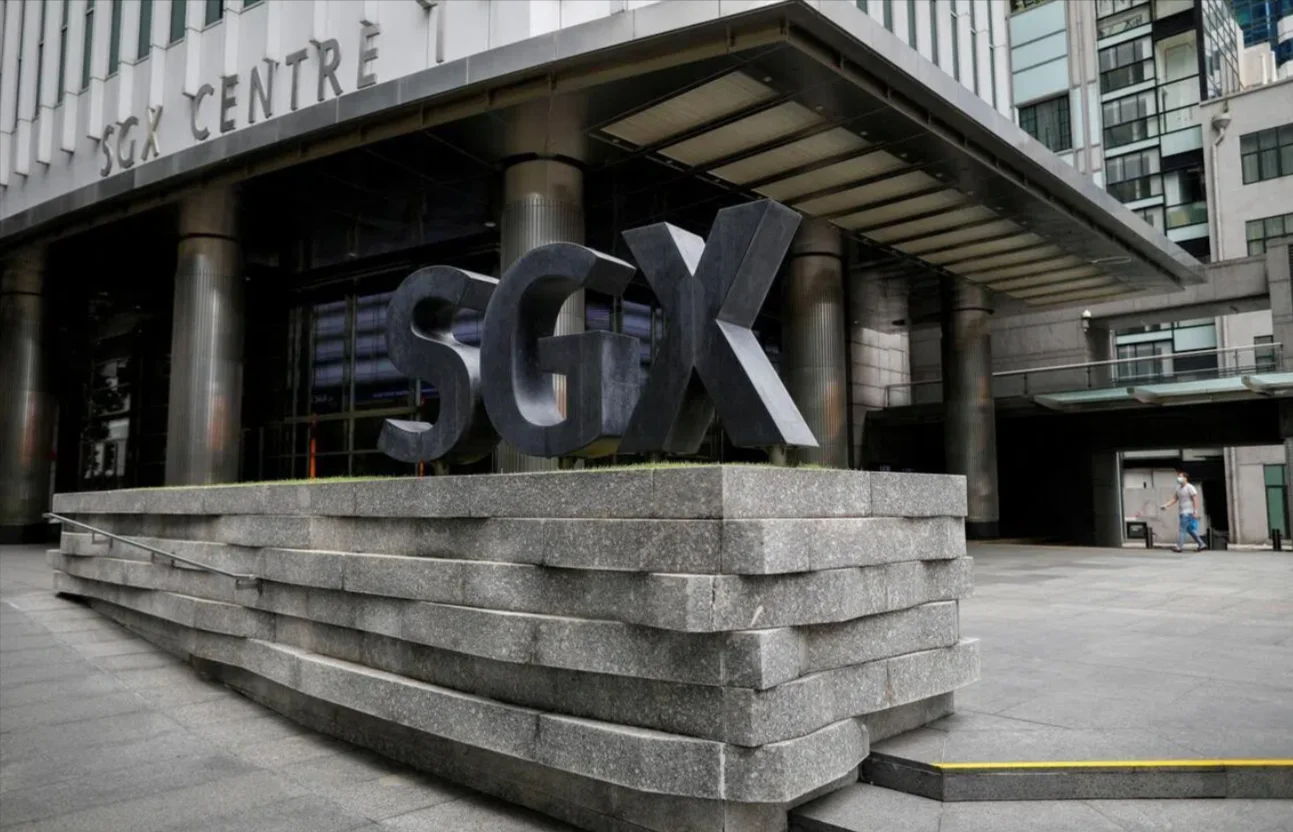
Singapore’s equity market stands at the intersection of global capital flows and regional economic strength. As one of Asia’s most stable financial hubs, it offers investors exposure to a diverse mix of industries, from banking and real estate to technology and logistics. Yet navigating this market requires more than surface-level knowledge. Investors need a clear understanding of strategy, positioning, and how different styles perform under varying conditions.
For both new and experienced investors, the challenge lies in aligning strategy with goals while staying responsive to market shifts. Growth and value investing remain the two foundational approaches, but their effectiveness depends heavily on timing, sector exposure, and broader economic trends. Understanding how these strategies function within Singapore’s unique economic environment can significantly improve long-term outcomes.
Understanding Growth Investing in Singapore
Growth investing focuses on companies expected to expand revenues, earnings, or market share at a faster pace than the broader market. In Singapore, this often includes firms in sectors such as technology, digital infrastructure, and advanced manufacturing. These companies reinvest profits to fuel expansion rather than distributing dividends, making them attractive to investors seeking capital appreciation.
The appeal of growth stocks in Singapore is closely tied to the country’s push toward innovation and regional leadership in areas like fintech and smart logistics. Government-backed initiatives and strong regulatory frameworks provide a supportive environment for scalable businesses. As a result, growth investors often look beyond traditional blue-chip companies and toward emerging leaders with strong fundamentals and clear expansion strategies.
However, growth investing requires careful evaluation. High expectations are often already priced into these stocks, making them sensitive to earnings disappointments or macroeconomic shifts. This is why investors frequently rely on forward-looking indicators such as earnings forecasts, competitive positioning, and industry trends when identifying opportunities in this space.
The Role of Value Investing in a Mature Market
Value investing takes a different approach by targeting companies that appear undervalued relative to their intrinsic worth. In Singapore, this strategy is particularly relevant due to the presence of established firms in banking, telecommunications, and real estate. These sectors often generate steady cash flows and offer consistent dividend payouts, making them attractive to income-focused investors.
The Singapore Exchange is known for its concentration of dividend-paying stocks, which aligns well with value investing principles. Many institutional investors, including pension funds and sovereign wealth entities, prioritise these stable returns. This creates a market environment where fundamentally strong but temporarily undervalued companies can present compelling opportunities.
That said, identifying true value requires more than spotting low price-to-earnings ratios. Investors must assess whether a company’s lower valuation reflects temporary challenges or deeper structural issues. This distinction is critical in avoiding so-called value traps, where a stock remains undervalued for valid reasons.
Market Positioning and Sector Allocation
Effective equity investing in Singapore goes beyond choosing between growth and value. It involves thoughtful market positioning and sector allocation. Given the country’s role as a regional hub, its market performance is influenced by global trade dynamics, interest rate movements, and economic activity across Asia.
Financial institutions, for example, tend to perform well in rising interest rate environments due to improved net interest margins. Meanwhile, real estate investment trusts, commonly known as REITs, are sensitive to interest rate changes but remain popular for their income-generating potential. Technology and industrial sectors, on the other hand, often reflect broader global demand trends.
Investors who understand these dynamics can position their portfolios more effectively. This might involve rotating between sectors based on economic cycles or maintaining a diversified allocation that balances growth potential with income stability. Such strategies are widely endorsed by financial professionals and supported by global investment frameworks that emphasise diversification and risk management.
Blending Strategies for Long-Term Success
Rather than viewing growth and value as opposing approaches, many investors in Singapore adopt a blended strategy. This involves combining high-growth opportunities with stable, income-generating assets to create a balanced portfolio. The goal is to capture upside potential while mitigating downside risks.
This approach aligns with modern portfolio theory, which emphasises diversification across asset classes and investment styles. Financial institutions and advisory firms often recommend this balanced strategy, particularly for investors with long-term horizons. By spreading exposure across different sectors and styles, investors can reduce volatility while maintaining consistent returns.
For those still learning the basics, it is helpful to revisit foundational concepts such as what is stocks and how equity ownership works. A strong understanding of these principles makes it easier to evaluate different strategies and make informed decisions. Over time, this knowledge becomes a critical asset in navigating increasingly complex markets.
Conclusion
Equity investing in Singapore offers a unique blend of stability, opportunity, and global relevance. Whether focusing on growth or value, investors must consider how each strategy aligns with broader market conditions and personal financial goals. The most successful approaches are rarely rigid. Instead, they adapt to changing environments while maintaining a clear strategic foundation.
By combining thoughtful analysis with disciplined execution, investors can build resilient portfolios that perform across different market cycles. Singapore’s equity market rewards those who take the time to understand its structure and dynamics. With the right balance of growth, value, and positioning, long-term success becomes not just possible, but sustainable.